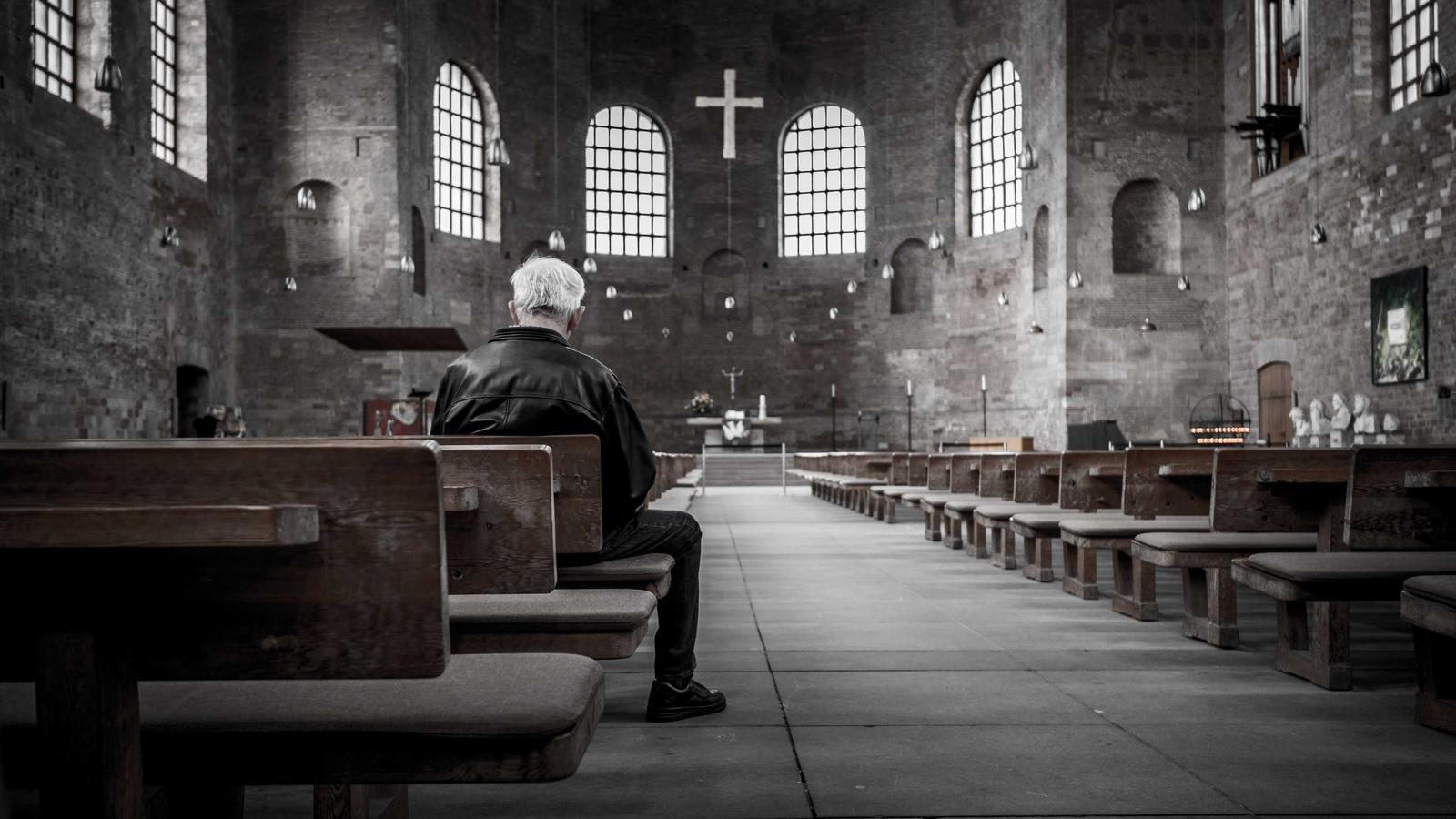
For many students, doing nothing feels suspicious. An empty afternoon is quickly filled with homework, lessons, exercise, messages, or guilt. Even rest becomes productive only when it is labeled self-care.
But the mind needs unplanned time. Boredom can allow ideas to connect. Quiet can reveal feelings that constant activity keeps hidden. Rest is not only recovery from work; it is part of how people understand themselves.
This is especially important in achievement-driven environments. Students may learn to treat exhaustion as proof of seriousness and free time as evidence that they are falling behind. That belief can make success feel like a trap.
Doing nothing does not mean giving up responsibility. It means allowing space that is not evaluated. A healthier student life should include moments with no audience, no goal, and no need to explain why they matter.
Many cities are built by people who cannot fully afford to live in them. Migrant workers construct towers, cook food, clean homes, care for children, and keep services running, often while remaining socially invisible.
The contradiction is easy to miss because cities celebrate finished buildings more than the hands that made them. A skyline can become a symbol of progress while the workers behind it face unstable housing, separation from family, or limited legal protection.
Discussing migrant labor requires more than pity. Migrant workers are not only victims; they are skilled, ambitious, and essential contributors. Respect means recognizing both their agency and the unfair systems they often navigate.
A city that depends on migrant labor should be honest about that dependence. Fair wages, safe housing, legal support, and public recognition are not charity. They are part of paying the real cost of the city itself.
Water scarcity can seem strange on a planet covered with water. Yet the water people need for drinking, farming, sanitation, and industry is limited, unevenly distributed, and increasingly stressed by climate and consumption.
The issue becomes personal when a household has to wait for water, a farmer loses crops, or a school cannot maintain clean bathrooms. Scarcity is not only about nature. It is also about planning, pricing, pollution, and political priorities.
Students should learn water as a system. A shower, a rice field, a factory, and a river are connected. Choices made in one place can affect availability somewhere else.
Solving water scarcity requires technology, conservation, fair rules, and public trust. It also requires a cultural shift. Water should not feel valuable only after it disappears from the tap.
A teacher believed several students were not paying attention because they repeatedly asked for instructions to be repeated. An acoustic review later found that sound from the hallway, ventilation system, and hard walls made speech difficult to understand at the back of the room.
Classroom communication depends on more than volume. Echo and background noise blur consonants and make listening exhausting. Students learning in a second language, children with hearing loss, and those with attention or auditory-processing difficulties may be affected first, but poor acoustics reduce access for everyone.
Schools can begin with observation and simple measurements. Teachers and students can identify rooms where speech becomes unclear, chairs scrape loudly, or rain overwhelms conversation. Closing gaps around doors, adding soft materials, repairing noisy equipment, and placing felt pads under furniture can help without major construction.
Room arrangement also matters. Students should not automatically be seated according to perceived ability when a better position would improve hearing. Discussion circles, microphones, and visual instructions can support participation. Teachers need equipment that amplifies speech evenly rather than forcing them to strain their voices.
New buildings should include acoustic standards from the design stage. Sound treatment is harder and more expensive after hard surfaces, mechanical systems, and room shapes are fixed. Libraries, cafeterias, and multipurpose rooms deserve attention because they often host learning despite high noise levels.
Students can provide useful feedback, particularly those who use hearing technology or find noisy environments tiring. Their experience may reveal problems that a brief technical inspection misses.
A classroom can have excellent lessons and still exclude students if speech does not reach them clearly. Acoustics are part of educational access. Improving them supports understanding, reduces fatigue, and makes it easier for more students to join conversation without repeatedly announcing that they could not hear.
Maintenance teams should revisit rooms after changes because new equipment, partitions, or furniture can alter sound conditions over time. A room that passed an earlier review may become difficult again after renovation or a change in class size.
A substitute teacher entered a classroom with a worksheet, a list of names, and no explanation of the lesson students had completed the previous day. She did not know which student used assistive technology, where emergency medication was managed, or how the class normally requested help. Much of the period was spent reconstructing routines.
Teacher absences are unavoidable. A useful handover allows the substitute to continue learning without pretending that a new person can immediately know every detail of the class. The goal is not to create a perfect script, but to provide the information needed for a safe and productive day.
Schools can maintain a standard emergency folder that is updated regularly. It should include the timetable, seating plan where appropriate, attendance procedure, evacuation information, key contacts, technology instructions, and essential accommodations. Sensitive information should be limited to what the substitute genuinely needs and stored securely.
Lesson notes should identify the objective, materials, expected completion, and what students already know. Flexible alternatives are helpful when a device, laboratory, or specialist room is unavailable. A plan that depends on resources only the regular teacher can access is not a workable plan.
Students should understand the routine for an absence. Class leaders may help distribute materials or explain ordinary procedures, but they should not be expected to manage behavior or disclose private information about classmates. The substitute remains the responsible adult.
After the lesson, a short return note can record what was completed, which questions arose, and whether any incident requires follow-up. This prevents the regular teacher from guessing what happened and makes the next class easier to plan.
Good handover notes respect substitute teachers as professionals rather than temporary supervisors. They also protect students from losing a day of learning whenever an adult is absent. A prepared system makes continuity part of school organization instead of depending on last-minute messages sent from someone who may be ill or dealing with an emergency.
Social media activism is often criticized as shallow, but that judgment can be too simple. A post can spread information quickly, help people find resources, and make an ignored issue visible to a wider public.
At the same time, visibility is not the same as change. A student can share a cause, receive approval, and feel morally finished before doing anything difficult. Online attention can fade faster than the problem itself.
The strongest activism connects platforms to action. It uses posts to organize meetings, raise funds, contact officials, educate peers, or support groups already doing the work. The screen becomes a doorway rather than the destination.
Young people should not be mocked for caring online. They should be challenged to carry that care further. Real change often begins with awareness, but it matures through commitment after the feed has moved on.
Space exploration can look like escape. Rockets rise while problems on Earth remain: poverty, conflict, climate change, and inequality. It is fair to ask why humans look upward when so much work is needed here.
Yet exploration is also one way humans learn to imagine beyond immediate limits. Space research can advance engineering, communication, materials, and environmental observation. More importantly, it reminds societies that long-term projects require patience and shared effort.
The danger is treating space as a playground only for powerful countries or private wealth. If exploration becomes another race for status, it repeats old problems at a greater distance.
At its best, space exploration should deepen our responsibility to Earth. Seeing the planet as small and shared should not make us abandon it. It should make us more careful with the only home we know.
When people talk about artificial intelligence replacing jobs, they usually imagine robots taking over factories or software writing code by itself. But for college students, the issue feels much closer. The jobs most affected by AI may be the same ones many of us expect to use as our first step into the professional world: research assistant, junior analyst, marketing associate, paralegal assistant, customer support representative, or content writer.
Entry-level jobs are supposed to be messy training grounds. They are where new workers learn how an office works, how to communicate with supervisors, and how to turn school knowledge into actual workplace judgment. If AI can now draft emails, summarize reports, compare spreadsheets, and prepare basic presentations, companies may decide they need fewer beginners. That sounds efficient on paper, but it creates a strange problem: how do young workers become experienced if the beginner-level tasks disappear?
The answer should not simply be panic. AI can also help new workers become more productive. A student who knows how to use AI responsibly can research faster, test ideas more quickly, and spend more time on analysis rather than repetitive formatting. The danger is not AI itself, but a workplace that uses AI only to cut training opportunities instead of redesigning them.
Colleges also need to adjust. It is no longer enough to teach students how to complete assignments in the traditional way. Students need to learn how to check AI output, question assumptions, protect confidential information, and add human judgment. Employers will still need people who can understand context, build trust, and make decisions when the answer is not obvious.
The future of entry-level work may be smaller, faster, and more competitive. But it does not have to be hopeless. Students who combine technical fluency with communication, ethics, and adaptability will still matter. The challenge is making sure AI becomes a ladder for young workers, not a wall that blocks them from getting started.
India losing crores due to illegal fishing: report
According to report conducted by International NGO Greenpeace, India is deprived thousands of crore every year because of illegal fishing from its ocean by foreign ships.
Supposed by Greenpeace, the loss of the income is generally because of the India’s incorrect course of action from the government which they called “letter of permit” (LOP) in effect since 2002.
For the past ten years, it was brought to develop the deep sea fishing. On the program brought by the ministry of agriculture, the fishing industries in India are permitted to buy tuna fishing vessels from international companies and manage them under the waters of India.
Based on the report, those fishing vessels are consisting of many foreign people and they have multiple registration.
According to the president of association of Indian fisheries industries, Dr Y G K Murthy, both fishing firms and India itself doesn’t gain any contribution from the program. It is believed that approximately Rs 11 crore every season had been profited by every fish vessel through the number of catch and in to bring back, India gets a onetime licensing charge amounting to Rs 10,000. As a result, LOP program is managing, purposely or differently, the plunder of oceanic resources and the revenue of India.
L. Kaur
Language labs, testing rooms, and computer classes increasingly depend on headphones, yet students may arrive without working equipment.
This is the kind of problem that rarely produces a major headline but regularly wastes time for ordinary users.
Schools should maintain a small pool of sanitized loaner headphones, inspect cables and ear pads, and establish clear return procedures.
A practical solution does not need to be expensive. Better labels, clearer responsibility, a simple digital update, or one backup option may be enough to prevent the same confusion from repeating.
It is also important to separate genuine misuse from a system that is hard to understand. Rules should encourage responsible behavior, but they should not assume every mistake is intentional.
Periodic review can help. Demand, technology, staffing, and user habits change, so procedures that once worked well may gradually become outdated.
A short-term headphone loan can keep a lesson moving without turning disposable earbuds into a routine classroom expense.
Well-designed services reduce the number of decisions people have to improvise. Clear expectations allow users to act confidently and allow staff to focus on exceptions that truly need personal attention.
A short review after implementation can show whether the change is working as intended. If the same problem continues, staff should adjust the procedure instead of treating every new complaint as unrelated to the ones that came before.