
Does Money Determine Academic Success?
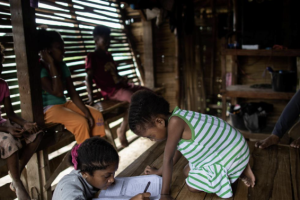
Imagine having the talent and passion to achieve something you want, but stopped by having not enough money. Many students experience this situation, which financial difficulties prevent them from pursuing their goals and showing their talents. For instance, some students dream of participating in international competitions but cannot afford the registration fees. Unfortunately, this is the reality that many students face today. Although many students look forward to achieving their goals, not every student has the same opportunities to achieve it.
One of the most common examples of social inequality in education is the financial difficulties students experience when participating in competitions. Many students work hard to develop their talents such as in academics, sports, music, and other extracurricular activities. However, some competitions require registration fees, transportation costs, or other payments. While students who are financially stable may participate without worrying too much about these costs, others may have to give up their chances. As a result, talented students may never get the opportunity to participate in competitions just because they cannot afford the expenses. This may be discouraging for students who have put all their effort into these opportunities. Their hard work would not be recognized, not because they lack talent, but because they do not have enough money.
Financial inequality may also affect students’ academic performances. For example, some students could afford personal laptops and stable internet connections. Meanwhile, others may struggle to complete their assignments because they lack these basic needs. Imagine two students preparing for the same examination. One can afford additional classes and study materials, while the other can only rely on what they learn at school. Both students may work equally hard, but their different situations can affect their academic performance. This shows that academic success does not always depend on how much effort a student puts into studying, but also on the resources available to them.
Another example is the financial pressure that forces some students to balance their education with part-time jobs or family responsibilities. Instead of spending their free time studying, participating in school activities, or developing their interests, they may need to work to support themselves or their families. This does not mean they lack motivation or dedication. Rather, they face additional challenges that other students may never experience.
Schools or other educational institutions can play an essential role by providing scholarships and sponsorship opportunities for students who cannot afford required expenses. They can also organize free academic workshops and create programs that allow students to borrow necessary equipment. Additionally, communities and organizations can support talented students through fundraising activities. Opportunities should be distributed based on students’ abilities and dedication rather than their financial backgrounds.
To conclude, money should never determine how well a student can do in education. Although financial stability can provide advantages, it does not define a student’s intelligence. Every student deserves the chance to pursue their dreams and achieve success regardless of their financial stability. This shows that students should be recognized by their potential, not about how much money they have.
Y. Shim